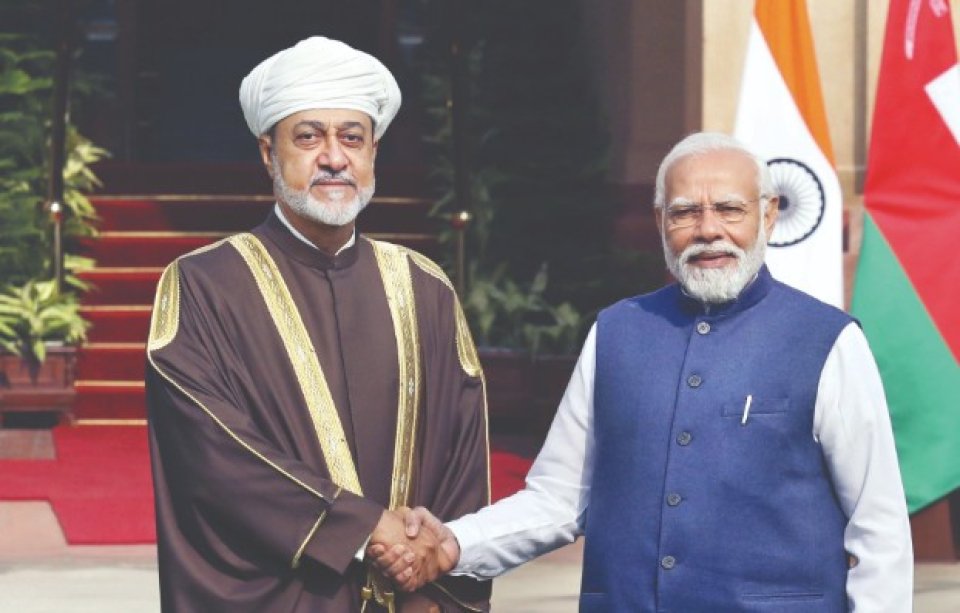
India has signed a landmark economic partnership agreement with Oman, granting zero-duty access for more than 98 percent of Indian exports to the Gulf nation, in a move aimed at strengthening trade ties with the Middle East and diversifying markets amid rising global trade pressures.
The agreement, India’s second major trade deal this year after its pact with the United Kingdom, is Oman’s first bilateral trade agreement since 2006. It is expected to push bilateral trade beyond USD 10 billion annually and expand cooperation across key sectors including textiles, pharmaceuticals, gems and jewellery, and automobiles.
Under the deal, India will receive zero-duty access on over 98 percent of Omani tariff lines, while New Delhi will reduce or eliminate tariffs on around 78 percent of its own tariff lines, covering nearly 95 percent of imports from Oman by value. Sensitive sectors such as dairy products, tea, coffee, rubber, and tobacco have been excluded to protect domestic producers.
The agreement comes at a time when India is seeking to offset the impact of steep US tariffs, which have risen to as high as 50 percent on certain Indian goods. By strengthening trade ties with Oman, India is positioning itself more firmly in the Gulf, a region of growing economic and geopolitical importance.
Oman’s strategic location near the Strait of Hormuz — one of the world’s most critical oil transit routes — also adds a significant geopolitical dimension to the deal, enhancing India’s energy security footprint in the region.
Indian officials expect the pact to unlock major export opportunities, particularly in gems and jewellery, with exports in this sector projected to rise from USD 35 million to USD 150 million within three years. The agreement is also expected to encourage greater Indian investment in Omani infrastructure, logistics, and services.
Analysts note that the India-Oman pact could encourage other Gulf Cooperation Council (GCC) countries to pursue similar trade agreements with New Delhi, potentially reshaping regional trade dynamics as India, China, and other global powers compete for influence in the Middle East. (Source: