The Greek Cypriot administration is reportedly seeking to expand defence cooperation with India, including exploring the possible acquisition of BrahMos supersonic cruise missiles as part of a broader strategic partnership between the two sides.
According to reports in Greek Cypriot and Indian media, officials are working on a defence cooperation roadmap covering the period from 2026 to 2031. The proposed framework is expected to include military training exchanges, maritime security cooperation, cybersecurity initiatives, technical defence collaboration and naval port visits.
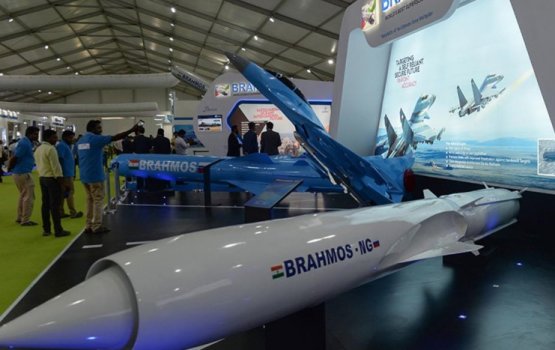
Media reports have also suggested that the Greek Cypriot administration has expressed interest in several Indian defence platforms, including BrahMos missile systems and unmanned aerial vehicles.
BrahMos Among Reported Areas of Interest
Reports indicate that any potential acquisition of BrahMos missiles could be linked to a wider defence modernisation programme supported through European Union funding mechanisms.
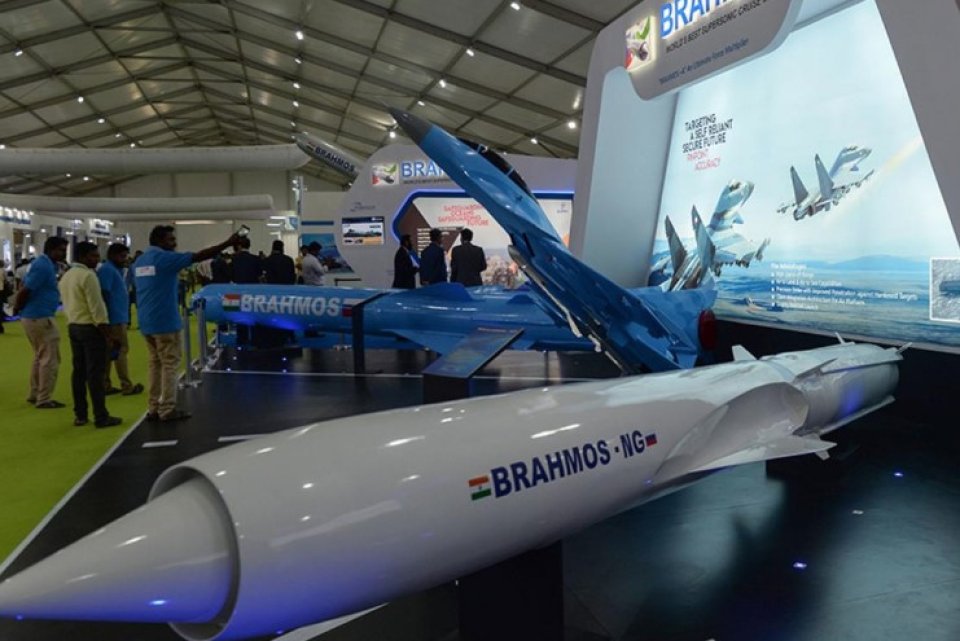
The BrahMos missile, jointly developed by India and Russia, is considered one of the world's fastest operational supersonic cruise missiles. The system can reportedly travel at speeds between Mach 2.8 and Mach 3 and is capable of being launched from land, sea, air and submarine platforms.
India has so far officially exported the BrahMos system to only one country, the Philippines, following a defence agreement signed in 2022.
No official announcement has been made regarding a possible sale of the missile system to the Greek Cypriot administration.
Strategic Partnership Elevated During India Visit
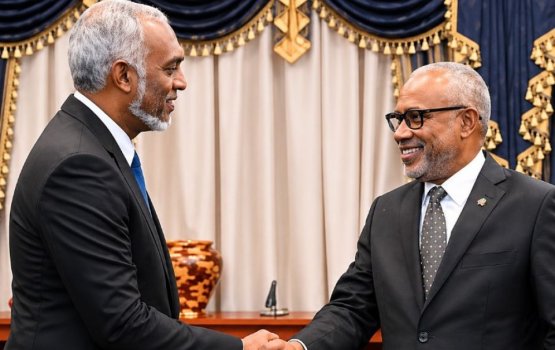
The reported defence discussions follow a visit by Greek Cypriot leader Nikos Christodoulides to India from May 20 to 23, during which he held talks with Indian Prime Minister Narendra Modi.
Following the meetings, both sides announced that bilateral relations had been elevated to the level of a "Strategic Partnership", signalling a desire to expand cooperation across multiple sectors.
Reports suggest that engagement between the two sides extends beyond defence and security, with discussions also covering investment, technology, trade, innovation and cultural exchanges.
Geopolitical Interpretations Emerge
Some Indian media outlets have interpreted the growing relationship within a wider geopolitical context, linking developments in the eastern Mediterranean to broader strategic dynamics involving regional powers.
An analysis published by The Jaipur Dialogues argued that the strengthening of ties between New Delhi and the Greek Cypriot administration carries implications beyond defence cooperation and reflects evolving strategic interests across multiple regions.
The publication also discussed issues including Türkiye's regional policies, its relationship with Pakistan and wider security developments in the eastern Mediterranean.
However, neither India nor the Greek Cypriot administration has publicly characterised the partnership as being directed against any third country. Official statements issued following the visit focused on expanding bilateral cooperation, economic engagement and strategic dialogue.
As discussions continue, observers say the growing partnership reflects both sides' interest in strengthening political, economic and security cooperation amid a rapidly evolving regional and global environment. (Source: turkiyetoday.com)