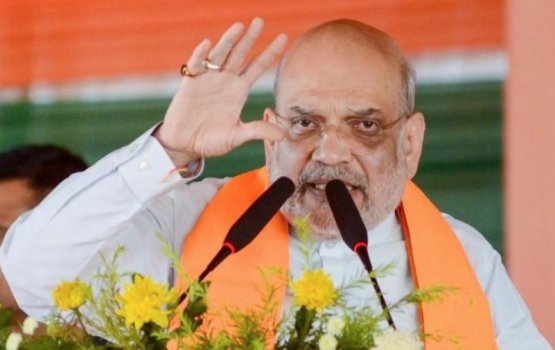
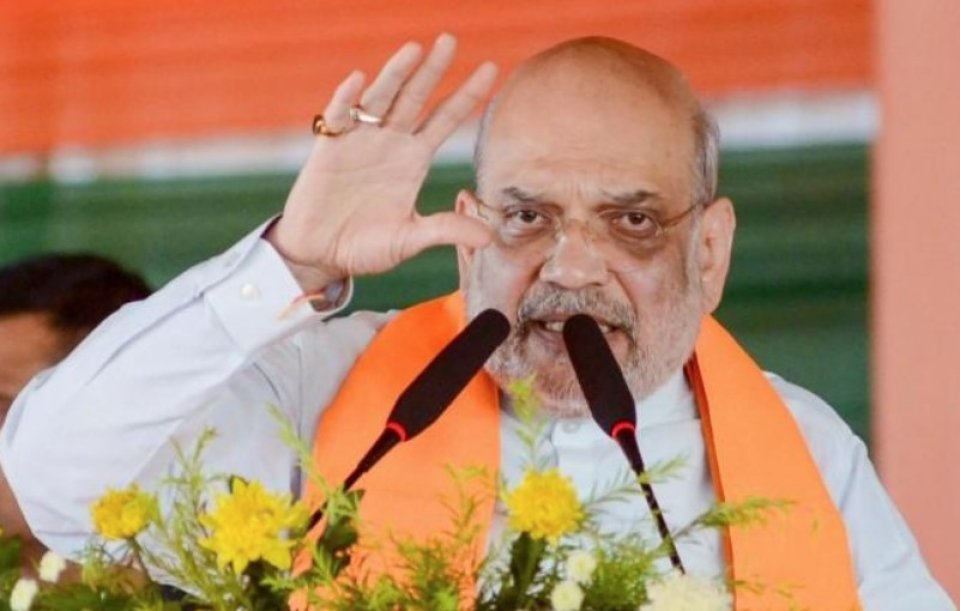
India's Union Home Minister Amit Shah has called for stronger international cooperation to combat drug trafficking, urging countries to work towards closer coordination on legislation, intelligence sharing and law enforcement efforts.
Speaking at the 2026 R.N. Kao Memorial Lecture in New Delhi, Shah addressed diplomats from more than 40 countries, as well as current and former members of India's security establishment, warning that transnational drug networks continue to exploit differences in national legal systems and enforcement frameworks.
The annual lecture, organised in memory of Rameshwar Nath Kao, is one of India's prominent forums for discussions on security and strategic affairs.
Addressing the gathering, Shah described narcotics trafficking as a challenge that extends beyond national borders and requires coordinated international action.
"The world, with a population of 8 billion people, 195 nations, and 250,000 kilometres of international borders, cannot tackle the problem of drugs through fragmented approaches," he said.
Shah said India remains committed to its goal of creating a drug-free society by 2047 and outlined measures undertaken by Indian authorities to strengthen anti-narcotics efforts. According to figures presented during the speech, Indian agencies seized large quantities of narcotics between 2014 and 2025 and have worked with partner countries to return a number of individuals wanted for transnational crimes.
He also highlighted a nationwide anti-drug campaign launched earlier this year, which is being implemented across hundreds of districts and educational institutions throughout the country.
A significant focus of Shah's address was the international dimension of drug trafficking and the challenges posed by increasingly sophisticated criminal networks operating across multiple jurisdictions.
He argued that closer global cooperation could help address gaps that are sometimes exploited by trafficking organisations, including differences in legal definitions, penalties and enforcement mechanisms.
Among the measures proposed were enhanced intelligence sharing, stronger cooperation between law enforcement agencies and improved international frameworks to address cross-border narcotics trafficking.
Shah also called for greater collaboration in targeting criminal networks involved in drug production, transportation and distribution, describing narcotics trafficking as both a public health and security concern.
The Indian minister said efforts to address the issue should transcend political differences and emphasised the importance of international partnerships in tackling transnational crime.
The speech reflected India's broader efforts to elevate anti-narcotics cooperation within regional and global security discussions, particularly as governments across different regions continue to confront challenges associated with organised crime and illicit drug trafficking.
This year's R.N. Kao Memorial Lecture focused primarily on the global narcotics trade and international cooperation, marking a departure from previous editions that have often centred on intelligence, geopolitics and strategic affairs. (Source: ibtimes.co.in)