
Bangladesh has begun receiving a fresh consignment of 7,000 tonnes of diesel through the India–Bangladesh Friendship Pipeline, with Energy Minister Iqbal Hasan Mahmud Tuku telling Parliament that fuel hoarding — not a shortage — remains the primary concern amid escalating tensions in West Asia.
The latest shipment, sourced from India’s Numaligarh Refinery, started arriving on Saturday evening and is expected to be fully delivered by Tuesday. The delivery follows earlier pipeline transfers of 15,000 tonnes, alongside a separate 5,000-tonne shipment received on March 25.
Officials from Bangladesh Petroleum Corporation said the country is increasingly prioritising pipeline imports from India to ensure supply stability, even as maritime routes face heightened uncertainty due to the ongoing Iran-linked regional conflict.
Pipeline lifeline amid Gulf disruptions
Bangladesh remains heavily dependent on fuel imports from the Gulf, making it vulnerable to disruptions in key shipping lanes. The current crisis has intensified concerns around the Strait of Hormuz — one of the world’s most critical energy chokepoints — through which roughly a fifth of global oil supply passes.
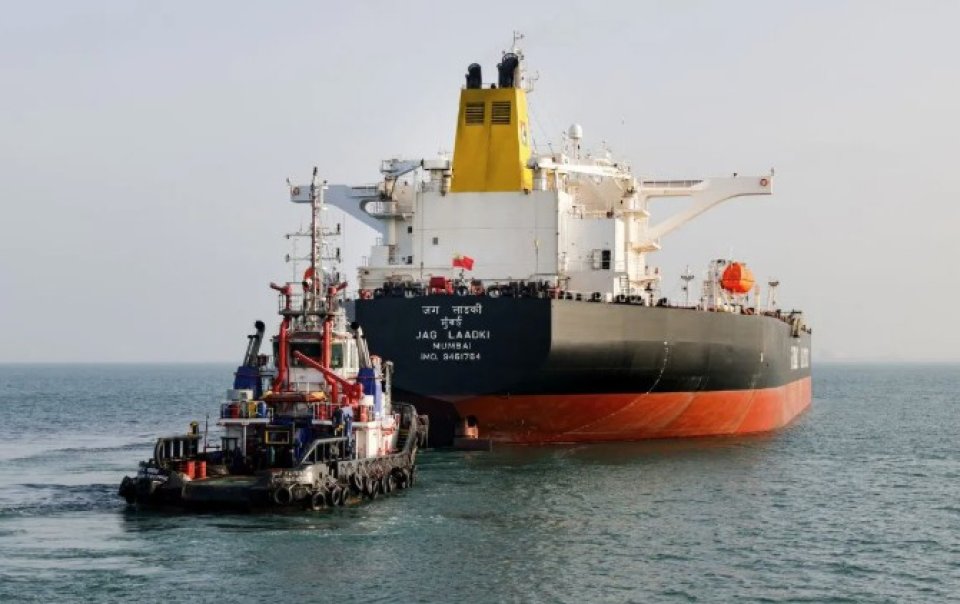
While the Strait remains operational, shipping movements have become more tightly controlled. Regional security conditions have led to stricter monitoring of vessels, with preference often given to ships flagged by neutral or non-aligned countries. Tankers linked to parties directly involved in the conflict have reportedly faced heightened scrutiny or delays.
India-flagged vessels, along with ships carrying Indian-origin cargo, have generally continued to transit the Strait under diplomatic and naval coordination, benefiting from India’s balanced positioning in the region and longstanding energy partnerships with Gulf producers.
Strategic shift in supply routes
Against this backdrop, Bangladesh’s use of the India–Bangladesh Friendship Pipeline has emerged as a critical buffer against external shocks. The cross-border energy link enables Dhaka to diversify supply channels, reducing overreliance on maritime imports exposed to geopolitical risks.
Energy analysts note that inland pipeline infrastructure not only enhances supply security but also reduces freight costs and delivery times compared to sea shipments.
Minister Tuku reiterated that fuel stocks remain sufficient and that the government is closely monitoring distribution patterns to prevent artificial shortages driven by panic buying or hoarding. (Source: TOI)
Regional ripple effects
The broader energy market continues to feel the impact of instability in the Gulf. Insurance premiums for oil tankers have risen, freight routes are being adjusted, and some suppliers are exploring alternative corridors. Countries across South Asia are now reassessing contingency plans to secure uninterrupted fuel access.
For Bangladesh, the steady inflow of diesel via India underscores a growing regional energy cooperation model — one that may become increasingly vital as geopolitical uncertainties continue to reshape global supply chains.