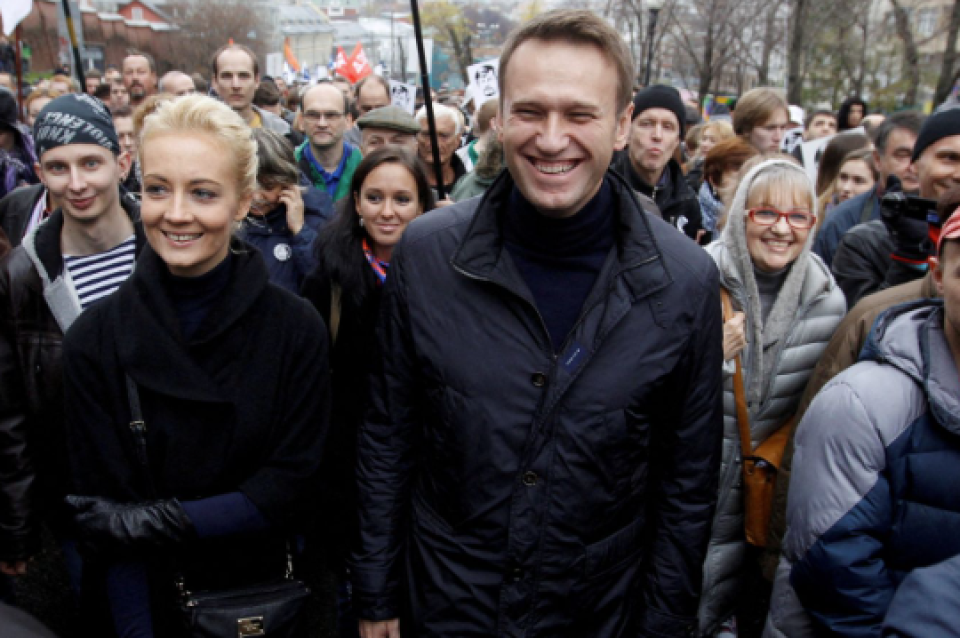
Britain and four European allies have stated they are convinced Russian opposition figure Alexei Navalny was killed using a lethal toxin while held in a Russian penal colony, attributing responsibility to the Russian state. Moscow has rejected the allegations.
In a joint statement issued in London, the foreign ministries of the United Kingdom, France, Germany, Sweden and Netherlands said laboratory analyses of samples linked to Navalny had “conclusively confirmed the presence of epibatidine,” a highly toxic substance found in certain South American poison dart frogs and not naturally occurring in Russia.
Allegations of Chemical Weapon Breach
According to international media reports, the five governments said Russia had the “means, motive and opportunity” to administer the toxin and announced plans to report Moscow to the Organisation for the Prohibition of Chemical Weapons for an alleged breach of the Chemical Weapons Convention.
British Foreign Secretary Yvette Cooper described the alleged poisoning as evidence of the “despicable tools” at the Russian state’s disposal and said it reflected fear of political opposition.
Russia Rejects Claims
The Russian government has denied any involvement in Navalny’s death.
Navalny, widely regarded as the most prominent domestic critic of Russian President Vladimir Putin, died in February 2024 while serving a 19-year sentence in an Arctic penal colony. Russian authorities said at the time that he became ill after a walk and died of natural causes.
Previous Poisoning Incident
Navalny had previously survived a 2020 poisoning involving a nerve agent, an incident he blamed on the Kremlin. Russian officials denied responsibility. He was evacuated to Germany for treatment and later returned to Russia, where he was arrested and imprisoned.
Following his death, Navalny’s widow, Yulia Navalnaya, said independent laboratory tests had indicated he was poisoned shortly before his death and has repeatedly accused the Russian leadership of responsibility — a claim Moscow continues to refute.
The latest allegations are likely to intensify diplomatic tensions between Russia and several European governments amid ongoing geopolitical strains.