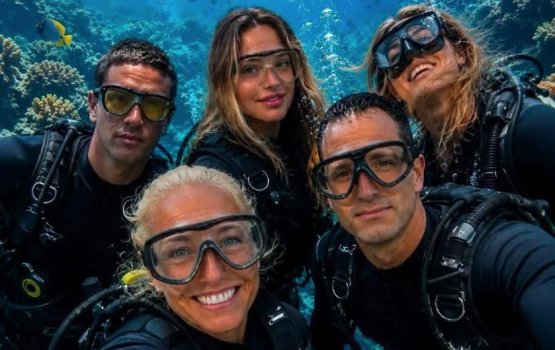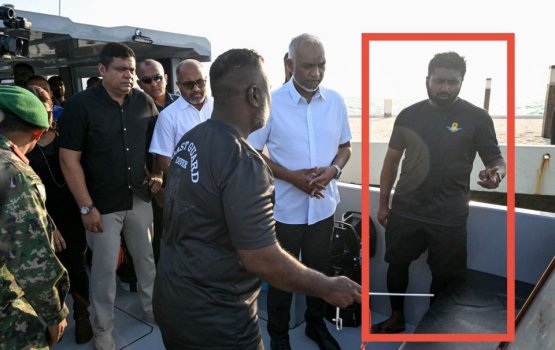
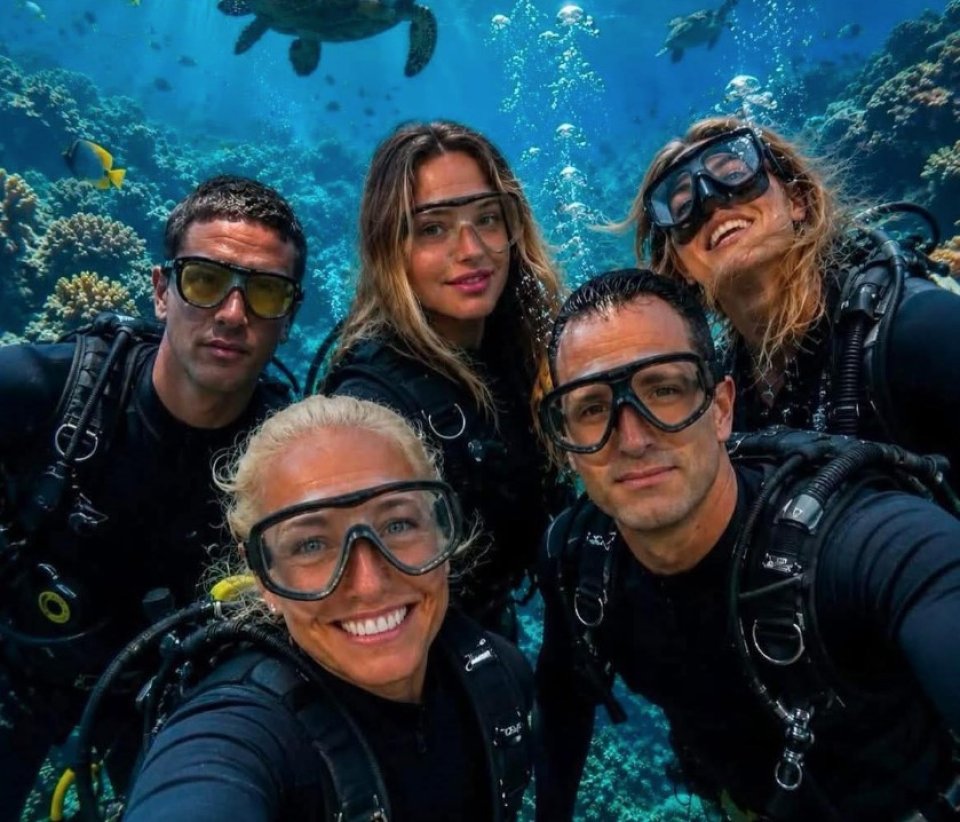

Authorities are continuing extensive search operations for four Italian divers who went missing during a deep cave diving expedition near Vaavu Atoll, as investigations intensify into one of the most serious diving incidents recorded in the Maldives.
The incident occurred during a dive near an underwater cave system off Vaavu Atoll. One diver was recovered dead shortly after the alarm was raised, while four others are believed to remain inside the submerged cave network, according to international media reports.
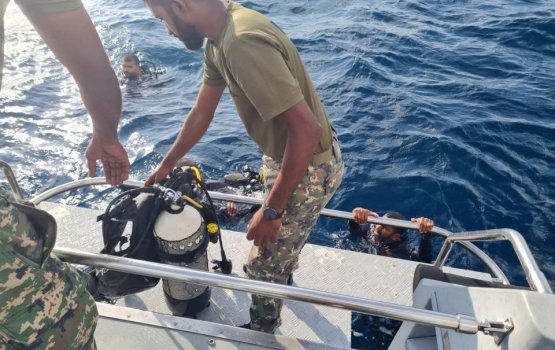
The Maldives Police Service and Maldives National Defence Force are leading ongoing search and rescue efforts alongside specialist divers.
Reports indicate the group had descended to depths of approximately 50 to 60 metres inside a cave system believed to contain multiple underwater chambers connected through narrow passages. Rescue operations have reportedly been complicated by strong currents, poor visibility and the depth of the cave itself.
The incident also claimed the life of an Maldives National Defence Force rescue diver involved in the operation. Authorities said the diver suffered decompression-related complications during rescue efforts and passed away while being transported for medical treatment.
The death has further highlighted the extreme risks involved in deep underwater rescue operations, particularly inside confined cave systems where divers are unable to make direct emergency ascents to the surface.
Authorities have yet to officially confirm the exact circumstances surrounding the incident. However, investigators are expected to examine whether the dive complied with technical diving safety procedures and operational regulations commonly applied to deep dives.
Under recreational diving standards generally followed in the Maldives, dives are typically limited to around 30 metres unless conducted under specialised technical diving arrangements involving advanced certification, decompression planning and specialised breathing systems.
International reports indicate the divers descended significantly beyond standard recreational limits, placing the expedition within the category of technical deep diving.
Investigators are also expected to examine dive planning procedures, diver certifications, emergency preparedness measures and equipment used during the expedition. Dive computer data and underwater camera footage may additionally be reviewed as part of efforts to reconstruct the sequence of events.
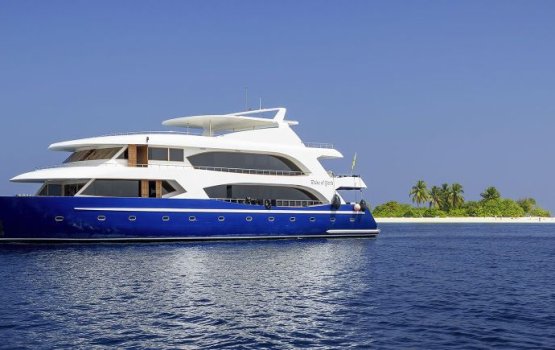
Foreign media reports have further stated that the liveaboard vessel involved in the expedition, identified as “Duke of York,” has reportedly had its operating licence suspended pending investigation. Authorities in the Maldives have not yet publicly commented on the reported suspension.
While authorities have not officially confirmed the cause of the incident, several possible contributing factors are now being discussed by diving experts cited in foreign media reports, including oxygen toxicity, nitrogen narcosis, decompression complications, strong underwater currents and navigational disorientation inside the cave system.
The Maldives is internationally recognised as one of the world’s leading diving destinations, attracting thousands of divers annually. While isolated diving incidents have occurred over the years, large-scale fatal incidents remain relatively uncommon compared to overall tourism activity in the country.
However, the ongoing Vaavu Atoll incident is drawing heightened international attention due to the scale of the tragedy and the risks associated with deep cave diving.
Italian authorities have also reportedly opened a parallel investigation into the incident as search operations continue in Maldivian waters.
Authorities have not yet released further official details regarding the ongoing investigation.