
The Maldives’ economic outlook and rising external debt obligations have become a key topic of public and policy discussion, particularly as 2026 is projected to be a year of significant repayments to foreign creditors.
Recent reports in sections of Indian media, including The Economic Times and Hindustan Times, have suggested that a $400 million obligation linked to India is due in April. However, official documentation and central bank data indicate a different interpretation of these figures.
The $400 million referenced in such reports is not a conventional long-term sovereign loan. Instead, it falls under a currency swap arrangement between the Reserve Bank of India and the Maldives Monetary Authority. Currency swaps are short-term financial instruments designed to provide liquidity support during periods of foreign exchange pressure.
Under such arrangements, a partner central bank provides foreign currency to help stabilise reserves and support essential imports or external payments. The mechanism functions similarly to an overdraft facility, offering temporary relief until longer-term financial adjustments are implemented. These facilities are typically either repaid within an agreed timeframe or extended through mutual agreement.
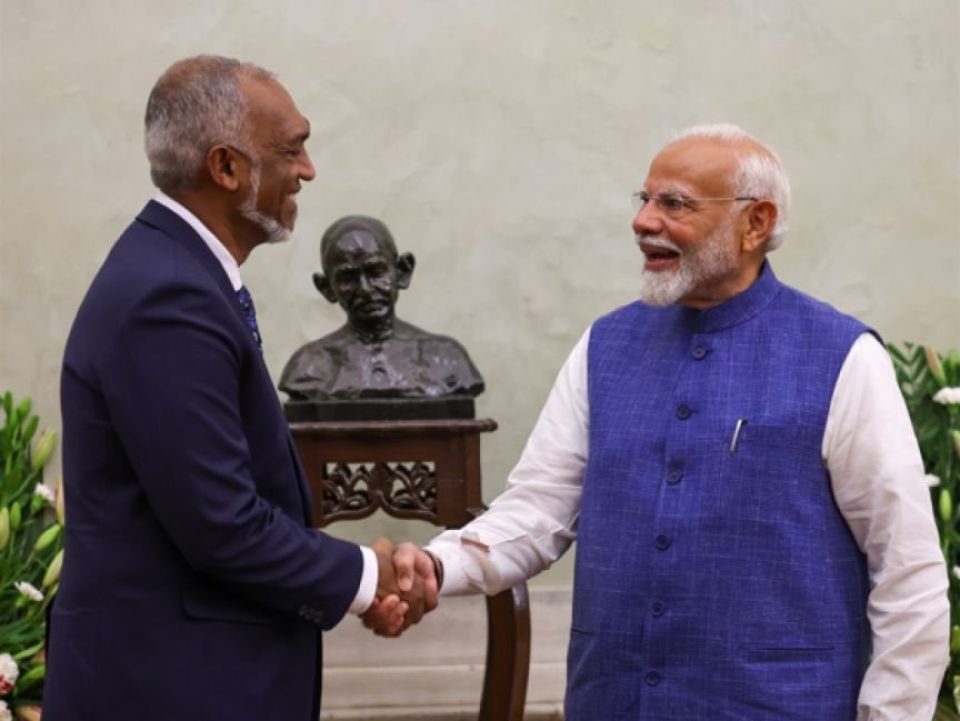
The current swap agreement between India and the Maldives was signed on October 7, 2024, under the SAARC Currency Swap Framework. This framework enables India to extend short-term balance-of-payments support to SAARC member states.
The agreement includes two key components: a $400 million window denominated in major foreign currencies such as US dollars or euros, and an INR 30 billion window aimed at facilitating bilateral trade.
Confusion surrounding an April 2026 repayment appears to stem from separate debt obligations. Specifically, the Maldives faces a $500 million sukuk bond maturity in April 2026. Financial analysts note that some reports have conflated this sukuk repayment with the currency swap facility, despite the two being distinct financial instruments with different terms and timelines.
Official records from the Reserve Bank of India and reports published by the Maldives Monetary Authority indicate that the currency swap arrangement is scheduled to expire on June 18, 2027. This timeline is also reflected in assessments by multilateral institutions such as the Asian Development Bank.
Currency swap facilities are inherently short-term but are often extended, or “rolled over,” depending on bilateral relations and prevailing economic conditions. Media reports, including those from Hindustan Times, have indicated that extensions have been sought and granted in the past, although no recent official confirmation has been issued by either central bank regarding further renewals.
While the Maldives continues to face elevated external debt pressures, particularly with large-scale repayments such as the sukuk bond in 2026, there is no official documentation supporting claims that the $400 million swap facility is due in April 2026.
According to the formal agreement between the two central banks, the facility remains valid until June 18, 2027.