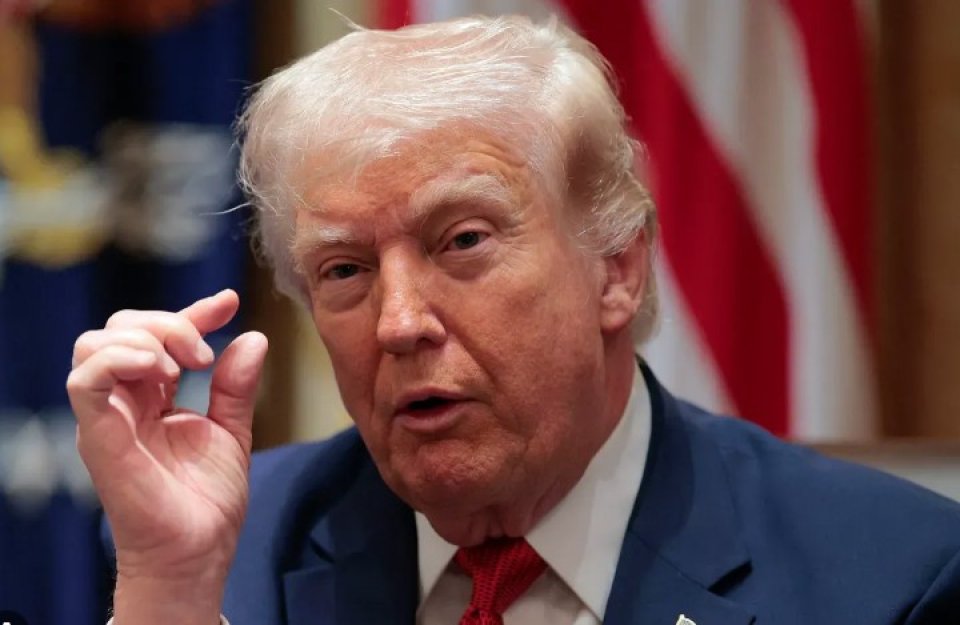
Washington/Tehran — Donald Trump has indicated a potential timeline for military action against Iran, stating that “Tuesday, 8:00 p.m. Eastern Time” could mark a decisive moment in the ongoing crisis, as tensions over the closure of the Strait of Hormuz continue to escalate.
The statement, shared on Trump’s Truth Social platform, is widely interpreted as either a signal of a possible strike or a deadline for Iran to reopen the vital shipping route. Analysts note that publicly referencing a potential strike time would be highly unusual in modern warfare, underscoring the unconventional nature of Trump’s approach.
The warning follows heightened rhetoric from Washington, including threats of targeting Iranian infrastructure if Tehran fails to restore maritime access through the strait — a key artery through which roughly one-fifth of global oil trade passes.
The situation has intensified amid reports of a downed US military aircraft inside Iran and continued hostilities across the region. The conflict, now in its sixth week, has seen Iranian missile strikes targeting Israeli cities as well as infrastructure across Gulf states, including ports, airports, and energy facilities.
Iran has effectively halted shipping through the Strait of Hormuz, triggering volatility in global energy markets and raising concerns over supply disruptions.
Iranian officials have strongly rejected US threats. Mohammad Bagher Ghalibaf accused Washington of escalating tensions under external influence and warned of broader regional consequences. He stated that Iran would not yield to pressure, describing the US stance as a violation of international law.
Russia has also called for de-escalation, urging the United States to abandon ultimatums and return to diplomatic negotiations.
Meanwhile, Iran’s Foreign Minister Abbas Araghchi warned that continued attacks on sensitive sites such as the Bushehr nuclear facility could risk radioactive fallout, potentially impacting multiple Gulf countries.
Despite the rising tensions, reports from Tehran suggest a degree of normalcy in daily life, with residents continuing routine activities even as the broader regional situation remains volatile.
The crisis has increasingly spilled across the Gulf, with reported incidents affecting infrastructure in the United Arab Emirates, Bahrain, and Kuwait. Authorities in the UAE confirmed responding to an incident at the strategic port of Khor Fakkan following an attack.
With global energy security at stake and diplomatic channels under strain, the situation remains fluid, with international observers closely monitoring developments in the region. (Source: news syndicate)