Media reors say six major economies — Britain, France, Germany, Italy, the Netherlands and Japan — have agreed to coordinate efforts to safeguard navigation through the Strait of Hormuz, amid rising global concern over escalating tensions involving Iran and threats to one of the world’s most critical energy routes.
The Press indipendently could not verify the report.
According to media reports, in a joint statement issued by the office of UK Prime Minister Keir Starmer, the countries condemned recent actions attributed to Iran, including threats to mine the waterway and conduct drone and missile attacks targeting commercial shipping. They called on Tehran to immediately halt such activities, warning that interference with international shipping poses a serious risk to global peace and economic stability.
The leaders stressed that freedom of navigation remains a fundamental principle of international law and cautioned that disruptions in the Strait would have far-reaching consequences, particularly for vulnerable economies dependent on energy imports.
The latest move comes as tensions in the region intensify following ongoing hostilities linked to the Iran conflict, including retaliatory strikes and attacks on oil and gas infrastructure across the Gulf. The situation has already contributed to a surge in global oil and gas prices, heightening fears of prolonged instability in energy markets.
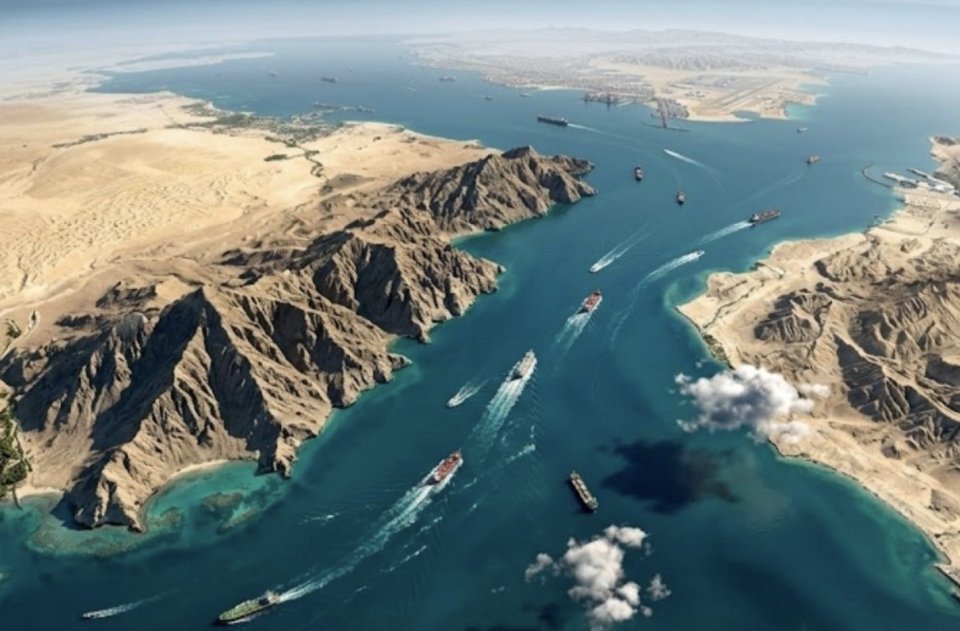
The Strait of Hormuz, located between Iran and Oman, is one of the world’s most strategically important maritime chokepoints. It serves as the primary transit route for crude oil and liquefied natural gas (LNG) exports from Gulf producers to global markets. On average, between 17 to 20 million barrels of oil pass through the strait each day — accounting for roughly a fifth of global oil consumption — along with a significant share of the world’s LNG shipments.
Hundreds of vessels, including oil tankers and cargo ships, transit the narrow waterway daily, making its security essential to maintaining global supply chains. Even limited disruptions can trigger immediate price volatility and supply concerns worldwide.
In recent days, reports of attacks on energy facilities and threats to shipping lanes have heightened alarm among international stakeholders. Western leaders warned that any attempt to block or restrict access to the Strait would have severe consequences for global energy security.
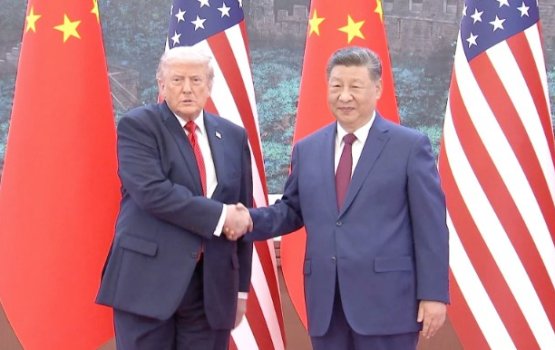
The joint statement also reflects growing alignment among major economies to ensure the uninterrupted flow of energy supplies. US President Donald Trump has also called on global partners, including NATO allies, to take coordinated action to keep the Strait open to commercial traffic.
As diplomatic efforts continue, analysts warn that any escalation in the Iran conflict — particularly involving direct attempts to close or disrupt the Strait of Hormuz — could significantly impact global trade, energy prices, and economic stability far beyond the region. (Source: Syndicate)