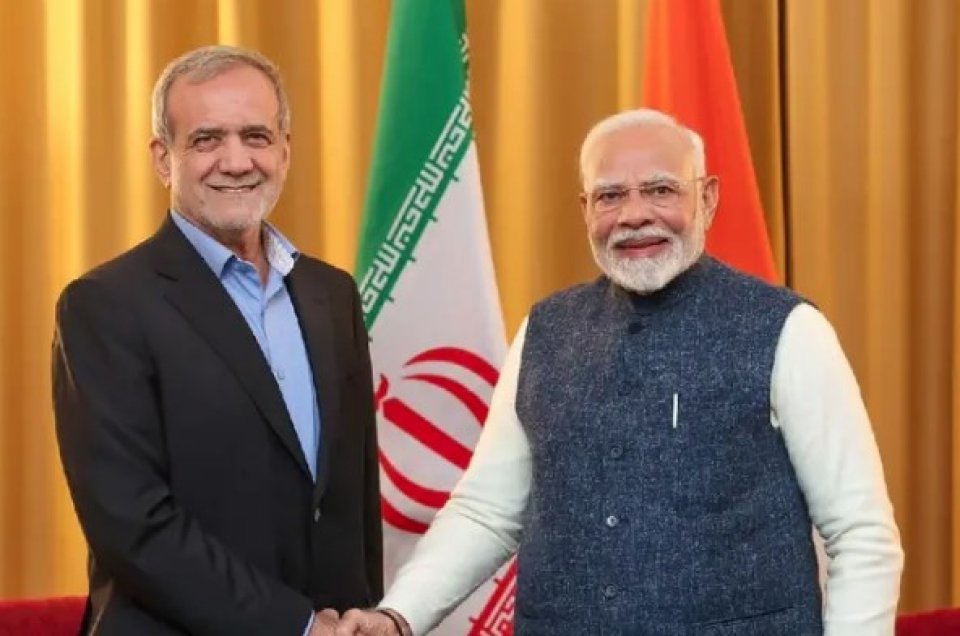

Indian Prime Minister Narendra Modi held a telephone conversation with Masoud Pezeshkian to discuss the escalating security situation in the Middle East, expressing concern over rising tensions and the impact on civilians.
In a statement shared following the call, Modi said he conveyed deep concern over the escalation of tensions in the region, the loss of civilian lives and the damage to civilian infrastructure.
The Indian leader emphasised that the safety and security of Indian nationals in the region remains a top priority, alongside ensuring the uninterrupted transit of goods and energy supplies, which are vital for global trade and energy markets.
Modi also reiterated India’s longstanding position that dialogue and diplomacy are essential to resolving regional conflicts, stressing India’s commitment to supporting peace and stability in the Middle East.
Strategic importance of the Strait of Hormuz
The discussion comes amid heightened tensions around the Strait of Hormuz, one of the world’s most critical energy corridors.
Nearly 20 percent of global oil trade passes through the Strait of Hormuz, making it a vital route for energy shipments to Asia, including India. The safety of maritime navigation through the strait is therefore a key concern for New Delhi and other energy-importing nations.
India maintains a significant commercial shipping presence in the region, with dozens of Indian-flagged and Indian-operated vessels regularly transiting the Strait of Hormuz each month to transport crude oil, petroleum products and other goods.
India’s role in regional energy supply
India has also been increasing its role in stabilising energy supply chains to the wider region. Over the past several years, Indian refiners and shipping operators have expanded crude oil imports from the Gulf and redistributed refined petroleum products to markets across Asia and the Indian Ocean region.
Indian oil companies, including Indian Oil Corporation and Bharat Petroleum, operate some of the world’s largest refining capacities, allowing the country to export refined fuels such as diesel, aviation fuel and petrol to multiple countries.
Analysts note that maintaining safe maritime access through the Strait of Hormuz is critical for both India’s energy security and global oil markets, particularly as India remains one of the world’s largest energy importers.
Against this backdrop, Modi’s conversation with Pezeshkian underscores India’s efforts to encourage de-escalation while safeguarding international shipping and energy flows in the region.