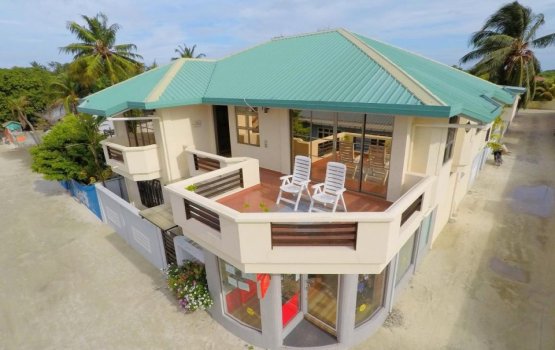
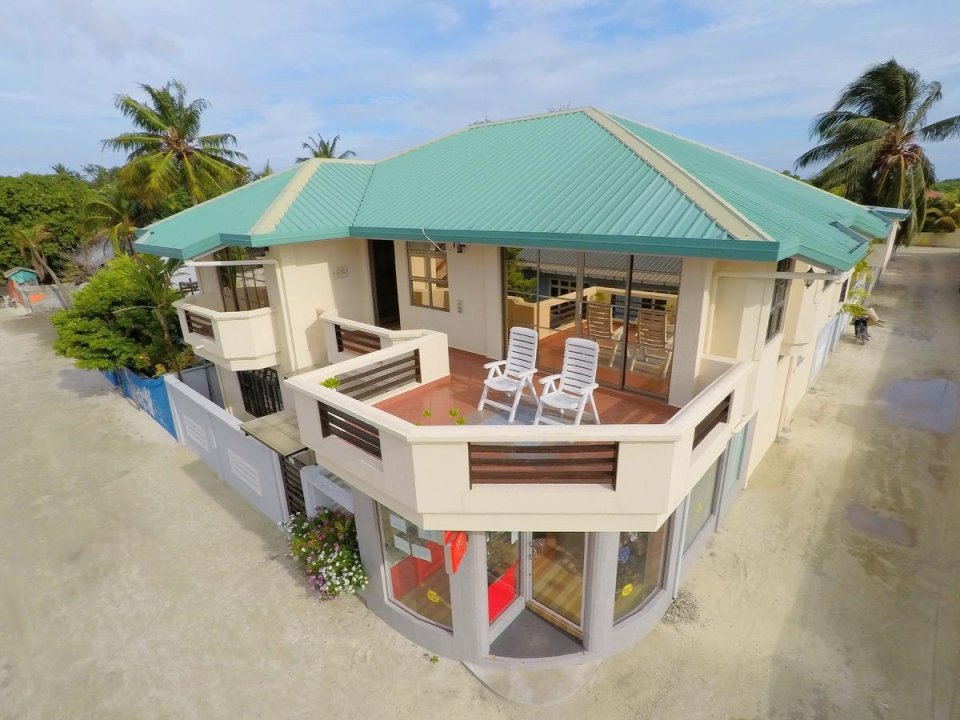

Bank of Maldives (BML) has announced major improvements to its Guest House and Liveaboard Financing facilities.
BML said that the changes make it easier and more affordable for Maldivian individuals and businesses to invest in tourism.
It explained that under the revised Guest House Financing facility, the equity requirement has been reduced from 30 percent to 20 percent of the project cost, while the maximum repayment period has been extended from 15 to 20years, inclusive of a two-year grace period.
The Bank said that customers can benefit from a preferential rate of 7 percent per annum for financing disbursed in MVR and repaid in USD, and a rate of 9 percent per annum for financing disbursed equally in MVR and USD.
It also said that for Liveaboard Financing, the equity requirement has been reduced from 30 percent to 25 percent, with the maximum repayment period extended from 7 to 12 years and the grace period increased from one to two years.
The Bank said customers can benefit from a preferential rate of 8 percent per annum for financing disbursed in MVR and repaid in USD, and a rate of 10 percent per annum for financing disbursed equally in MVR and USD.
Recognising that equity verification has been one of the most common bottlenecks for customersseeking financing, BML has also revised how equity contributions are assessed. Investments customers have already made in their projects will now be recognised towards the equity requirement, subject to valuation and verification by the Bank.
Mohamed Shareef, CEO and Managing Director of BML, shared its reasoning behind the improvements, stating that tourism is the lifeblood of our economy, and the Bank wants more Maldivians to own a share of it.
He added that these enhancements will help local entrepreneurs build sustainable tourism businesses, create jobs in their communities, and strengthen the sector's contribution to national growth.