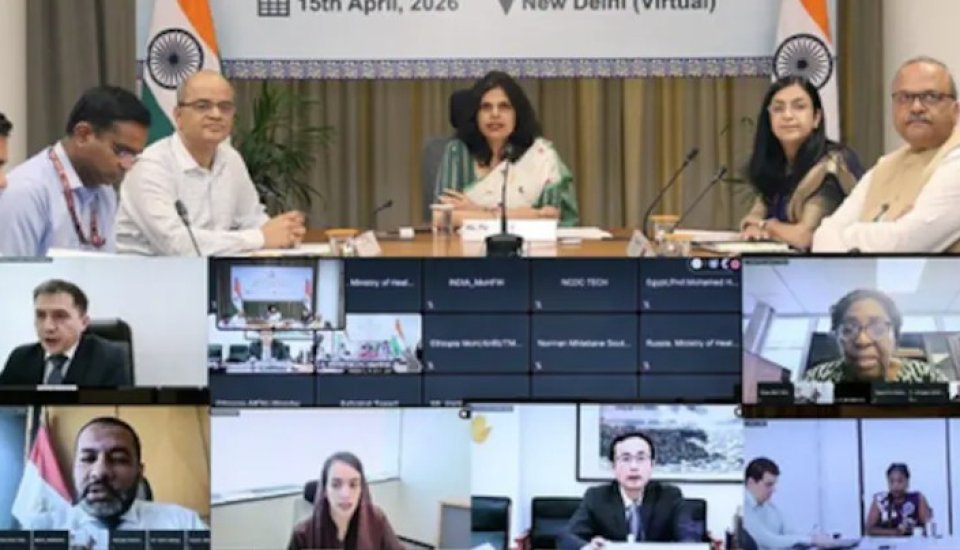
India has highlighted lifestyle changes and mental health as key priorities during a high-level BRICS health meeting held on Wednesday.
The first Health Working Group (HWG) meeting under the 2026 BRICS framework brought together senior officials from nine member states to strengthen cooperation on public health, including tuberculosis research, digital health systems, and mental wellness.
The virtual meeting was chaired by India’s Health Secretary Punya Salila Srivastava and included representatives from Brazil, Russia, China, South Africa, Egypt, Ethiopia, the United Arab Emirates, and Indonesia. The expanded participation reflects the bloc’s growing membership across four continents.
As BRICS Chair for 2026, India has centred its presidency on the theme “Building for Resilience, Innovation, Cooperation and Sustainability,” aligned with the people-focused approach outlined by Prime Minister Narendra Modi at the 2025 Rio Summit.
Speaking at the meeting, Srivastava said recent BRICS engagements have strengthened collaboration on major health challenges, including communicable and non-communicable diseases, health system resilience, and access to affordable medicines.
India also introduced two new priority areas under its chairmanship. The first is a “BRICS Mission for Healthy Lifestyles,” aimed at addressing risk factors such as unhealthy diets, physical inactivity, tobacco use, and harmful alcohol consumption. The second focuses on promoting mental health and wellness by improving services, reducing stigma, and integrating mental health into broader public health systems.
Both proposals received strong backing from member states, including Brazil, China, Egypt, Ethiopia, and Indonesia, which also supported greater integration of traditional and complementary medicine into national healthcare frameworks.
The meeting reviewed nine priority areas for 2026, including the BRICS TB Research Network, regulatory cooperation on medical products, an integrated early warning system for infectious diseases, and digital health infrastructure to improve access to care, particularly in remote areas.
Member countries emphasised the importance of universal health coverage, equitable access to health technologies, local production of medicines and vaccines, and stronger pandemic preparedness.
Advancing collaboration on tuberculosis research and developing early warning systems for infectious diseases were identified as immediate priorities requiring concrete outcomes. (Source: NDTV)