
Malé, April 9 — The ongoing conflict involving Iran is likely to intensify economic pressures and trigger instability across South Asia, as rising energy costs and declining remittances strain already fragile economies, analysts have warned.
Countries including Sri Lanka, Bangladesh and Pakistan are among the most vulnerable, given their heavy reliance on Middle Eastern fuel imports and limited fiscal space under ongoing IMF programmes.
According to analysts, the region’s dependence on Gulf economies extends beyond energy, with remittances from large expatriate populations forming a key economic lifeline, particularly for nations such as Nepal and Bangladesh.
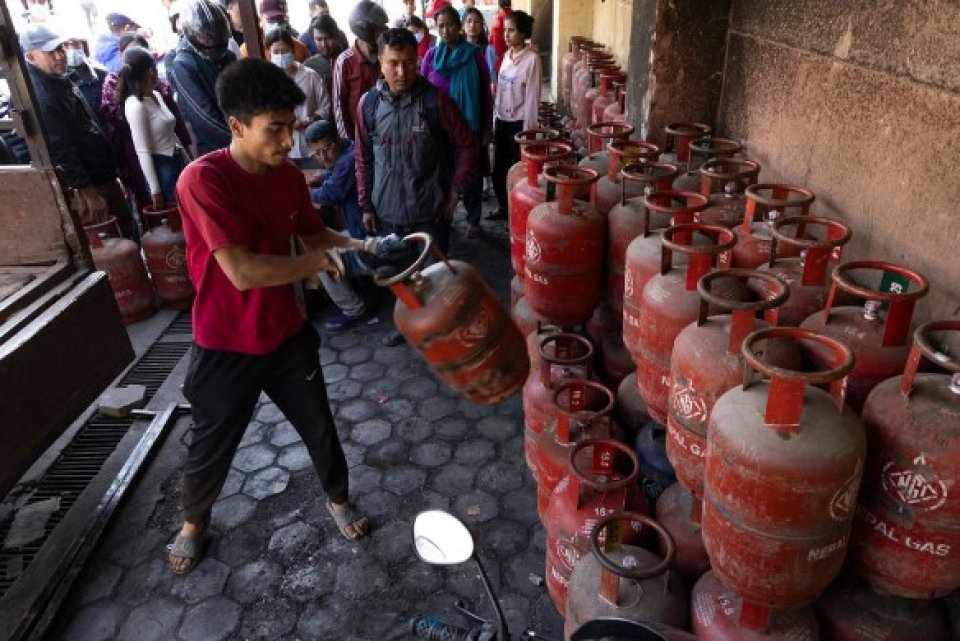
Energy markets have already been significantly disrupted since the conflict began, with global oil prices surging and natural gas costs reaching multi-year highs. These developments are expected to drive inflation, increase food prices, and place additional pressure on vulnerable households across the region.
Analysts caution that prolonged economic hardship could lead to renewed public unrest, particularly in countries that have recently experienced political instability driven by economic grievances.
In Bangladesh, the garment sector — a key driver of the economy — is reportedly facing shutdowns and declining production, while Nepal continues to grapple with economic challenges following recent political upheaval. Pakistan, meanwhile, faces both economic strain and the risk of sectarian tensions amid the evolving regional situation.
The conflict is also expected to impact agriculture, with rising fertiliser prices threatening crop production and food security. Analysts warn that sustained increases in input costs could reduce harvest yields and further fuel inflation across the region.
Regional powers such as India have begun responding to the crisis by supplying fuel to neighbouring countries, including Sri Lanka and Bangladesh, as part of efforts to stabilise energy supplies.
Experts note that if the conflict continues, the combined effects of rising costs, reduced remittances, and economic uncertainty could have a cascading impact across South Asia, potentially triggering broader social and political consequences. (Source: news syndicate)