India has stated that the Indus Waters Treaty with Pakistan will remain in abeyance until Islamabad takes credible steps to end its support for terrorism, amid renewed tensions between the two nuclear-armed neighbours.
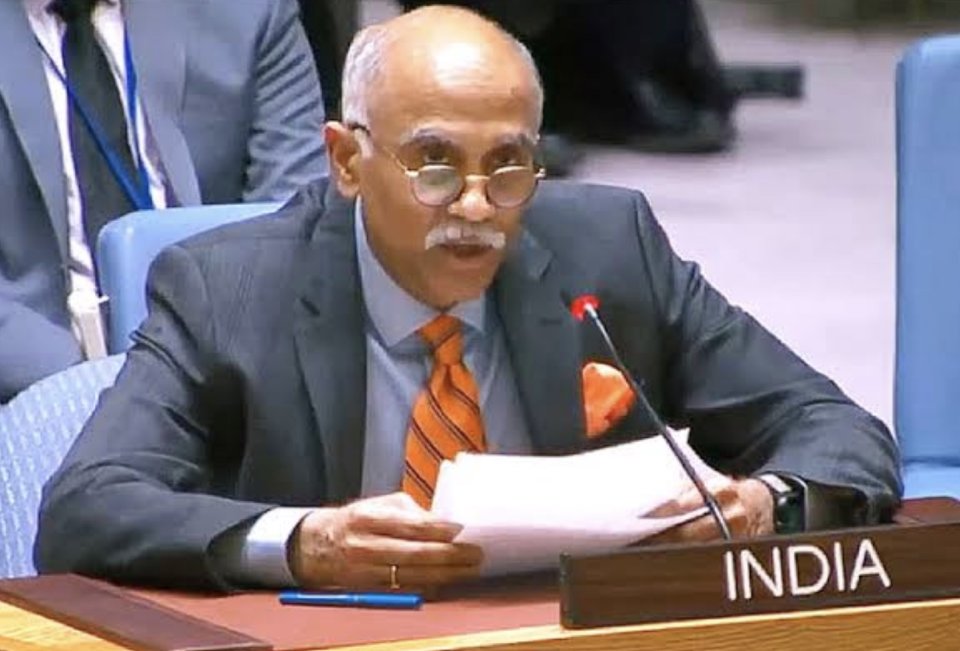
India’s Permanent Representative to the United Nations, P. Harish, said New Delhi’s position is rooted in concerns over continued cross-border militancy. Speaking at a UN event marking World Water Day, he said Pakistan must demonstrate respect for human life before raising concerns over treaty obligations, describing the country as a global hub of terrorism.
The Indus Waters Treaty, signed in 1960 with World Bank mediation, has long been considered one of the most durable water-sharing agreements in the world, surviving multiple periods of conflict between India and Pakistan. However, relations between the two countries have remained strained for decades, shaped by repeated military confrontations, including wars in 1947, 1965 and 1971, as well as ongoing tensions over Kashmir.
India announced the suspension of the treaty following last year’s deadly attack in Pahalgam, which it attributed to Pakistan-based militants. New Delhi has since argued that continued cooperation under the agreement is not possible in the face of persistent security threats.
Harish said India had entered into the treaty in good faith but alleged that Pakistan had undermined its spirit through repeated conflicts and acts of terrorism. He also noted that India’s efforts to review and update the treaty—taking into account technological advancements and environmental challenges—had been rejected by Pakistan.
The move to keep the treaty in abeyance marks a significant shift in India’s approach, as the agreement governs the sharing of waters from the Indus river system, a critical resource for both countries, particularly for agriculture and energy.
Despite the escalating rhetoric, India said it remains committed to broader global water goals. Harish highlighted progress under India’s Jal Jeevan Mission, which aims to expand access to safe drinking water across rural areas.
The latest development underscores how longstanding political and security disputes between India and Pakistan continue to impact cooperation on vital shared resources, raising concerns about regional stability and water security. (Source: NewsOnAir.gov.in)