Indian Prime Minister Narendra Modi has condemned attacks on energy infrastructure in West Asia amid a sharp escalation in regional tensions, warning that such actions could further destabilise global energy security.
The latest developments come as hostilities intensified following Israeli strikes on Iran’s South Pars gas field, with Tehran reportedly responding through attacks on energy facilities across parts of the Gulf.
In a series of high-level engagements, Modi held talks with leaders of Qatar, Oman, Jordan, France and Malaysia, emphasising the urgent need for de-escalation and a return to dialogue and diplomacy.
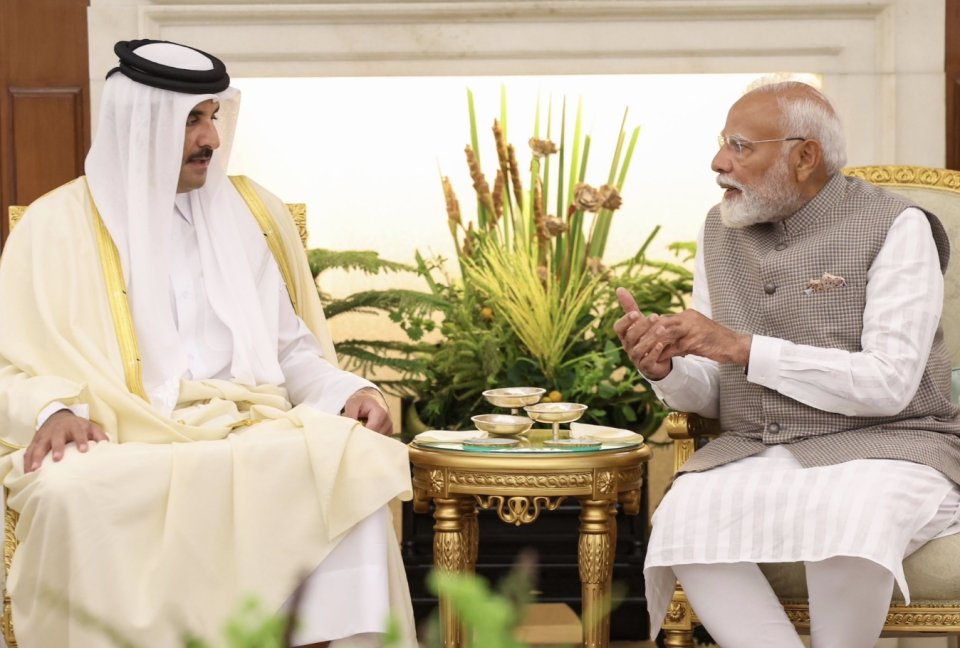
Following discussions with Qatar’s Amir Sheikh Tamim bin Hamad Al Thani, Modi expressed India’s solidarity with Qatar and strongly condemned attacks targeting energy infrastructure. He also stressed the importance of ensuring free and secure navigation through the Strait of Hormuz.
Qatar reported missile and rocket attacks on Ras Laffan Industrial City, a key global gas hub responsible for nearly 20 percent of the world’s liquefied natural gas (LNG) supply. Qatar remains India’s largest LNG supplier, accounting for over 40 percent of its imports.
Other Gulf countries, including Saudi Arabia, Kuwait and the United Arab Emirates, also reported similar incidents targeting energy facilities.
In a statement following talks with Jordan’s King Abdullah II, Modi reiterated that attacks on energy infrastructure were unacceptable and risked triggering further escalation. He underscored the importance of uninterrupted movement of goods and energy supplies, without directly attributing responsibility to any party.
India’s Ministry of External Affairs (MEA) said attacks on civilian and energy infrastructure must cease immediately, warning that such incidents could deepen uncertainty in global energy markets.
During a separate conversation with Oman’s Sultan Haitham bin Tariq, Modi reiterated India’s condemnation of any violation of sovereignty and territorial integrity. He also acknowledged Oman’s efforts to facilitate the safe return of foreign nationals, including Indians, and stressed the importance of maintaining safe passage through the Strait of Hormuz.
Modi also spoke with French President Emmanuel Macron, with both leaders agreeing to maintain close coordination to support regional peace and stability. In discussions with Malaysian Prime Minister Anwar Ibrahim, he again called for urgent de-escalation.
India’s External Affairs Minister S. Jaishankar also held talks with UAE Minister of State for International Cooperation Reem Al Hashimy to review the evolving situation.
The MEA noted that the escalation has already begun to impact India’s LNG imports, particularly due to disruptions linked to the Strait of Hormuz. Officials said India is engaging with multiple stakeholders to ensure continued energy supplies and minimise disruptions to cargo movement.
Authorities are also prioritising the clearance of LPG tankers currently stranded west of the Strait of Hormuz, reportedly awaiting approval from Iran. Indian officials remain in diplomatic contact with Tehran to secure safe passage, amid concerns over potential supply disruptions. (Source: TOI)